DSCR Loans in Florida: The 2026 Investor Guide

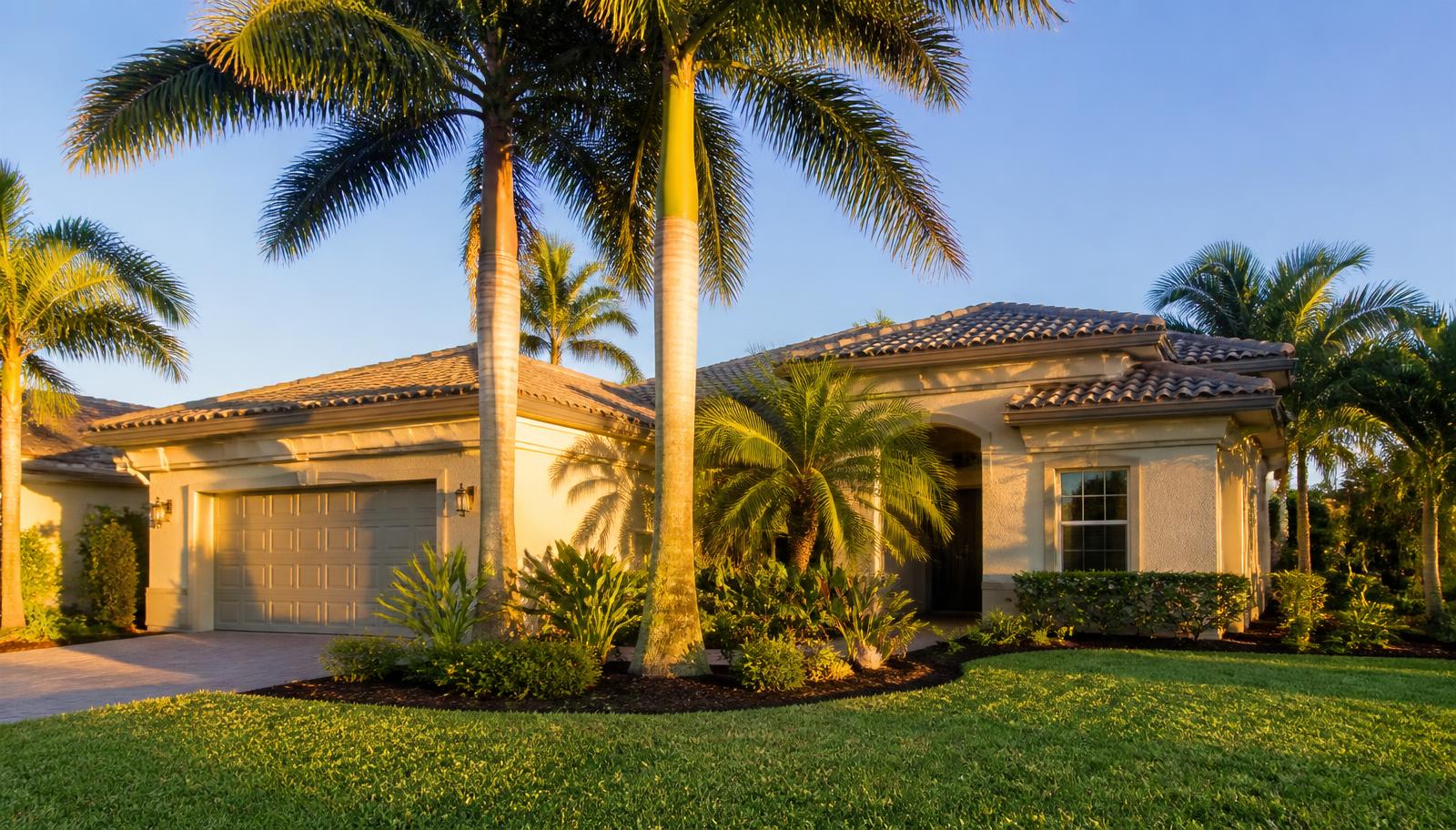
Florida remains one of the most active DSCR markets in the country - and 2026 is shaping up to be a notably better year to underwrite a Florida rental property than the last few. Here's what's actually changed, which markets are performing best, and what to watch before you run the numbers on a deal.
Why Florida, and Why Now
Florida's appeal to rental investors hasn't changed: no state income tax, strong population inflow, and a tourism economy that supported well over 140 million visitors in 2025 alone - concentrated in Orlando, the Gulf Coast, and South Florida. What has changed is the insurance backdrop, and for DSCR investors, insurance cost is often the single biggest swing factor in whether a deal actually clears.
Going into 2026, several things moved in investors' favor at once: NOAA's Atlantic hurricane outlook called for below-normal activity, Citizens Property Insurance pricing has stabilized after years of volatility, private carriers have been returning capacity to the state, and a statewide rate adjustment brought average premiums down close to 9%. None of that guarantees a quiet season, but it's a meaningfully better underwriting environment than Florida has seen in several years - and it directly improves DSCR math, since a lower insurance line item in your PITIA is what often separates a 0.95 DSCR from a 1.10.
A Quick DSCR Refresher
If you haven't seen our full breakdown, a DSCR loan qualifies you based on what the property earns, not your personal income or tax returns. The math is simple: DSCR = Monthly Rental Income ÷ Monthly PITIA (principal, interest, taxes, insurance, and HOA dues). Above 1.0 means the rent covers the payment; below 1.0 means it doesn't - though some programs still work at lower ratios with a larger down payment. For the full explanation, see our DSCR loans guide and down payment breakdown. DSCR sits inside a broader family of Non-QM loans built for borrowers with flexible underwriting for the self-employed and investors.
Florida's Top DSCR Markets
Tampa Bay is one of the stronger risk-adjusted plays in the state right now - purchase prices are meaningfully below Miami, rent growth has been solid, and an expanding tech, finance, and healthcare job base supports long-term rental demand.
Orlando benefits from year-round tourism tied to the theme park corridor, which makes it a strong short-term rental market in addition to a growing long-term rental base as the metro's population expands.
Jacksonville and other inland Central Florida markets tend to carry meaningfully lower insurance premiums than coastal cities, which often means a stronger DSCR for a comparable rent roll - worth a look if coastal pricing has been squeezing your numbers.
Miami still commands some of the highest rents in the country, particularly in neighborhoods like Brickell and Wynwood, but condo-heavy inventory and high HOA fees can work against your DSCR even when the rent looks great on paper.
Short-Term Rentals: Florida's Real Advantage
Florida is one of the more STR-friendly states for DSCR underwriting. Rather than qualifying strictly off a traditional long-term rent schedule, many DSCR lenders will consider market-based short-term rental income data for vacation-market properties - which can meaningfully improve qualifying income in tourism corridors like Orlando/Kissimmee, the Gulf Coast, and the Keys. That said, HOA and condo association rules on short-term rentals vary widely and should be confirmed before you assume STR income is even legally usable on a given property.
What Actually Moves Your Florida DSCR Ratio
- Insurance, always get a real quote first. Florida property insurance runs above national averages, and coastal or flood-zone properties can add substantially to your monthly PITIA. Never estimate a Florida DSCR off a generic insurance placeholder - pull an actual quote before you make an offer.
- HOA fees on condos. Especially post-Surfside reserve requirements, HOA dues on Florida condos have risen in many buildings, and that dues line comes straight out of your DSCR the same way a mortgage payment does.
- Flood zone status. Flood insurance is a separate, often substantial cost on top of standard hazard coverage in many Florida zones, and it needs to be baked into PITIA from the start, not discovered at closing.
- Coastal vs. inland. As a general rule, inland properties are more insurable and post stronger DSCR ratios than comparable coastal properties, purely because of the insurance delta.
Credit and Leverage: What to Expect
DSCR program parameters vary by lender and by file, but as a general shape: stronger DSCR ratios (roughly 1.25 and above) typically unlock higher leverage and better terms, while ratios closer to or below 1.0 usually mean a larger down payment and tighter credit requirements. Reserves - usually several months of the property's full payment held in cash after closing - are standard across almost every DSCR program, Florida included.
None of this is a quote. Actual rate, leverage, and reserve requirements depend on your credit profile, the specific property, and current program guidelines - that's a conversation for a loan officer, not a blog post.
The Bottom Line
Florida remains a legitimate, well-supported DSCR market, and 2026's improved insurance backdrop is a real tailwind rather than marketing spin. The properties that pencil out best right now tend to be inland or well-insured coastal assets with a real insurance quote in hand before the offer goes in - not a rough estimate. If you're evaluating a specific Florida property and want to see how the DSCR actually works out, our DSCR calculator will walk you through it, and we're glad to talk through the details directly.
For program details, property types and what we ask for on a Florida rental, see our Florida DSCR loans page.
Common questions
Is Florida a good state for DSCR loans in 2026?
Yes, generally. Florida's rental demand remains strong, and the 2026 insurance environment - a below-normal hurricane forecast, stabilizing Citizens pricing, and a statewide rate reduction - is more favorable for DSCR underwriting than it's been in several years, since lower insurance costs directly improve DSCR ratios.
Can I use short-term rental income to qualify for a Florida DSCR loan?
Often yes, particularly in tourism markets like Orlando or the Gulf Coast. Many DSCR lenders will consider market-based short-term rental income data rather than only a traditional long-term lease schedule, though HOA/condo association restrictions on STRs vary and should be confirmed first.
Which Florida markets have the best DSCR ratios?
Inland and Central Florida markets like Jacksonville and Orlando-area suburbs tend to carry lower insurance costs than coastal cities, which generally supports stronger DSCR ratios for comparable rent levels. Tampa Bay is also considered a strong risk-adjusted market due to relatively lower purchase prices and solid rent growth.
Why does insurance matter so much for a Florida DSCR loan?
Because insurance is part of PITIA, the monthly payment used in the DSCR calculation. Florida's hurricane and flood exposure means insurance costs are often the largest variable expense in the equation, and an inaccurate insurance estimate is one of the most common reasons a Florida DSCR deal falls apart after the fact.
Do Florida condos work for DSCR loans?
They can, but HOA dues (which have risen in many buildings due to post-Surfside reserve requirements) count against your DSCR just like a mortgage payment would, and non-warrantable or condo-hotel structures are often ineligible for standard DSCR programs.
Follow us on Google: Add ABS Home Mortgage as a preferred source
Related Reading
Atlanta Metro Investor Guide: DSCR, Taxes and the Counties Worth Watching
County-by-county property tax rates, how non-homestead bills are exposed, short-term rental rules that lock out most investors, and where the growth actually is.
Read articleDenied by a Bank? Why a Non-QM Loan Might Be Your Path to the Home You Want
Non-QM loans use flexible underwriting — bank statements, assets, 1099s, or rental income instead of just tax returns. Here's how they work.
Read articleNo Income? No Problem: DSCR Loans in 2026
How investors qualify for rental-property financing on rental income alone - no W-2, no tax returns.
Read articleMore in DSCR & Investor · All mortgage guides